
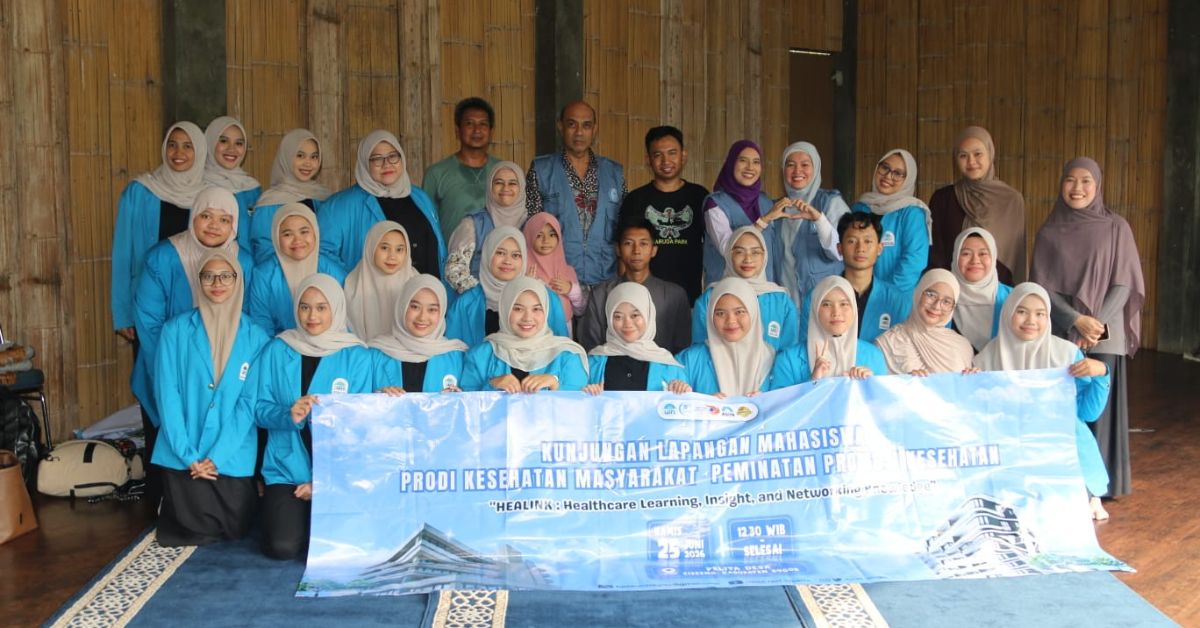
HEALINK 2026 Provides Public Health Students with Firsthand Experience in Community Empowerment Practices
FIKES Online News – The 2026 HEALINK (Healthcare Learning, Insight, and Networking Knowledge) activity was successfully held at Pelita Desa, Pelita Ilmu Foundation (YPI), Ciseeng, Bogor. This activity was designed to provide students with hands-on learning experiences regarding community empowerment practices and their relationship to improving health and socio-economic well-being. Thursday (June 25, 2026)
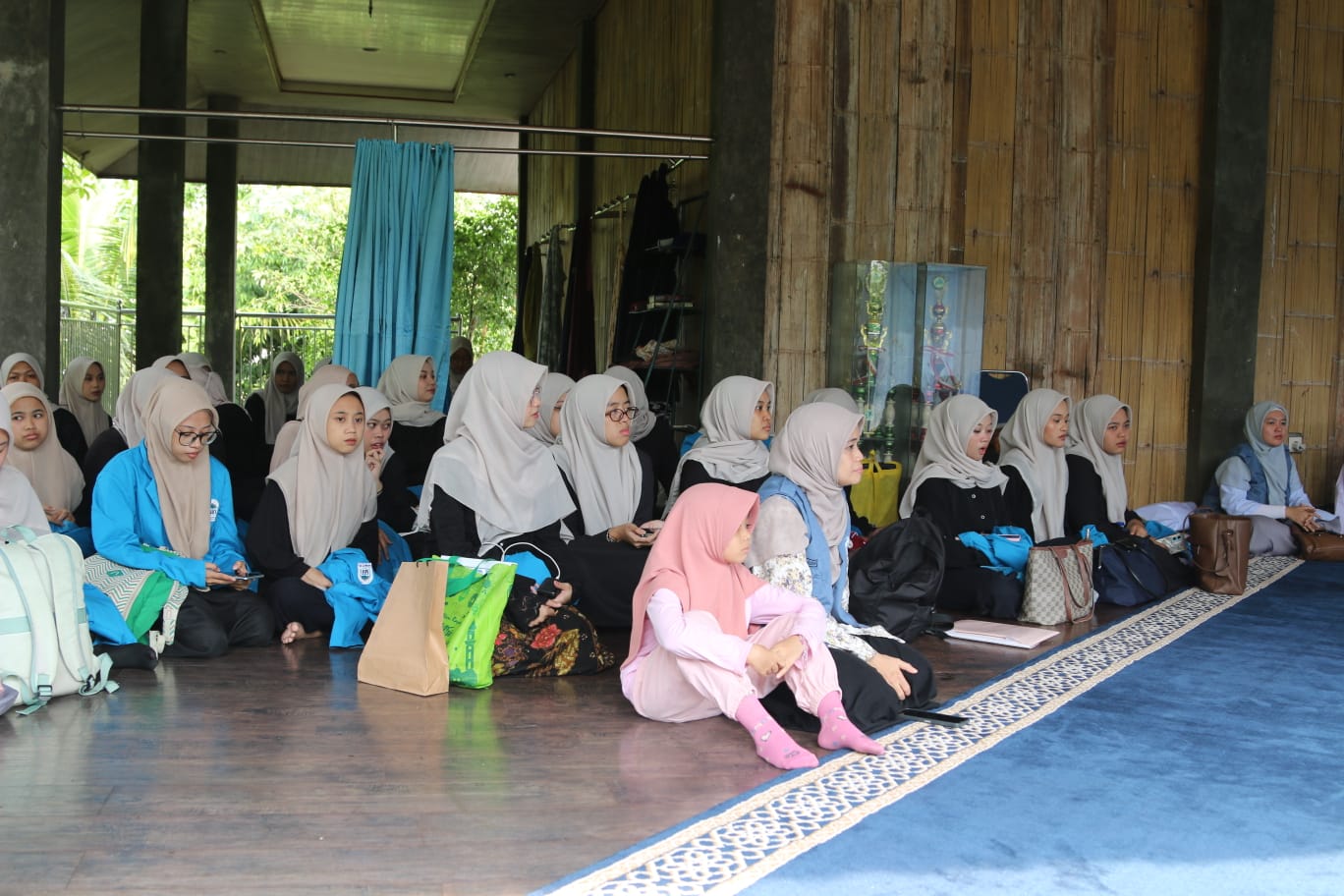
The group of participants departed from the Faculty of Health Sciences (FIKES) UIN Syarif Hidayatullah Jakarta at 11:32 a.m. WIB by bus. The journey to the location took longer than planned due to heavy traffic and rain at several points along the route. Participants finally arrived at Pelita Desa at 1:45 p.m. WIB. Upon arrival, all participants performed the Dzuhur prayer in congregation before participating in the main activities.
The event was officially opened at 2:23 p.m. WIB by the Master of Ceremonies (MC), followed by remarks and an introduction to Pelita Desa delivered by Adi Setiadi, the Pelita Desa representative. In his presentation, Adi explained the concept of community empowerment, which is the main focus of the Pelita Ilmu Foundation program.
According to him, the empowerment model being developed focuses not only on improving community knowledge and skills, but also on strengthening the economic aspect by utilizing local community potential. He emphasized that improving community economic well-being is closely linked to improving health.
"When a community's economic condition improves, the quality of health will also improve. Therefore, community empowerment must be carried out comprehensively, not only in the health aspect, but also in the economic and social aspects," explained Adi Setiadi.
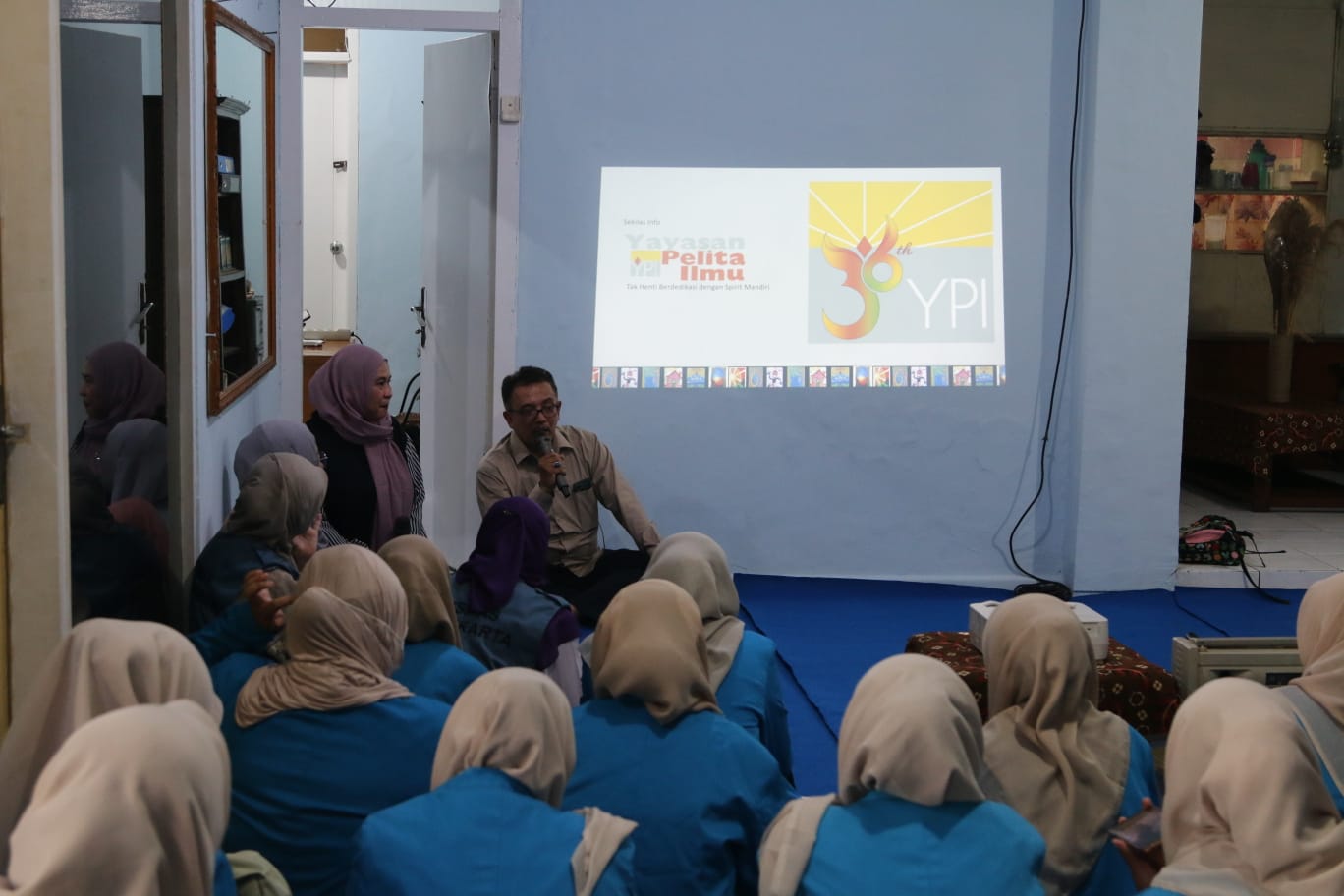
Adi further explained that the challenges faced by communities, particularly farmers and small business owners, lie not only in production capacity but also in limited market access. To address this, the Pelita Ilmu Foundation implements various empowerment strategies through community mentoring, capacity building, and expanding market access, including opening marketing opportunities to export markets.
Through this approach, communities are not only able to increase the selling value of their products but are also encouraged to become more economically independent. Furthermore, they are equipped with an entrepreneurial mindset, the courage to recognize opportunities, and the ability to develop sustainable businesses.
The event then continued with remarks from Raihana Nadra Alkaff, S.K.M., M.M.A., Ph.D., Head of the Public Health Study Program at UIN Syarif Hidayatullah Jakarta. In her remarks, she stated that this field visit is an important part of the students' learning process, allowing them to directly understand the implementation of community empowerment implemented by the Pelita Ilmu Foundation.
She also expressed her appreciation to Pelita Desa for hosting the students and sharing their experiences regarding the implementation of the community empowerment program.
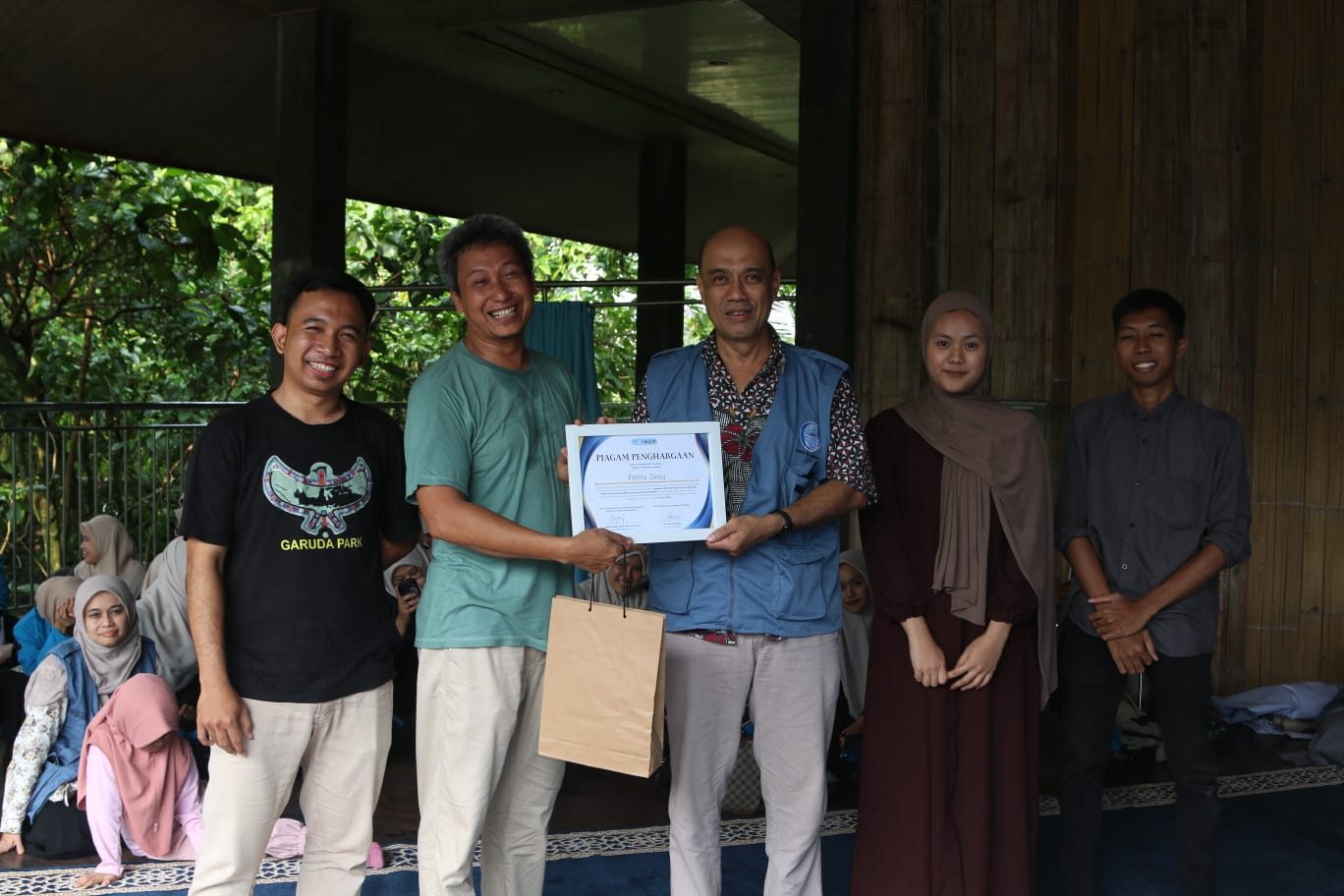
As a token of appreciation and gratitude, the Public Health Study Program presented a certificate of appreciation and gifts to Pelita Desa. The formal session concluded with a group photo session.
The series of activities continued with a tour of Pelita Desa, which took place from 2:56 PM to 3:10 PM WIB. During this session, participants were taken on a tour of the various facilities used in the implementation of community empowerment programs. Through direct observation, students were able to see how Pelita Desa serves as a training, education, and community capacity building center that integrates aspects of education, entrepreneurship, and economic empowerment based on local potential.
After the photo session, participants rested and enjoyed refreshments until 3:50 PM WIB. The event concluded with a final photo session before all participants boarded the bus to return to UIN Syarif Hidayatullah Jakarta.
During the return trip, which lasted from 4:10 PM to 6:45 PM WIB, the committee organized various student bonding activities. These activities aimed to strengthen togetherness, build camaraderie, and strengthen networks among participants outside of the academic setting.
Through the HEALINK 2026 program, students are expected to gain a more comprehensive understanding of sustainable community empowerment practices. Furthermore, this activity provides a platform for students to observe firsthand how efforts to improve public health can be implemented through a multidisciplinary approach involving social, economic, and educational aspects. With this experience, students are expected to become future public health workers who are more sensitive to community needs and able to contribute to sustainable development. (ZR)