
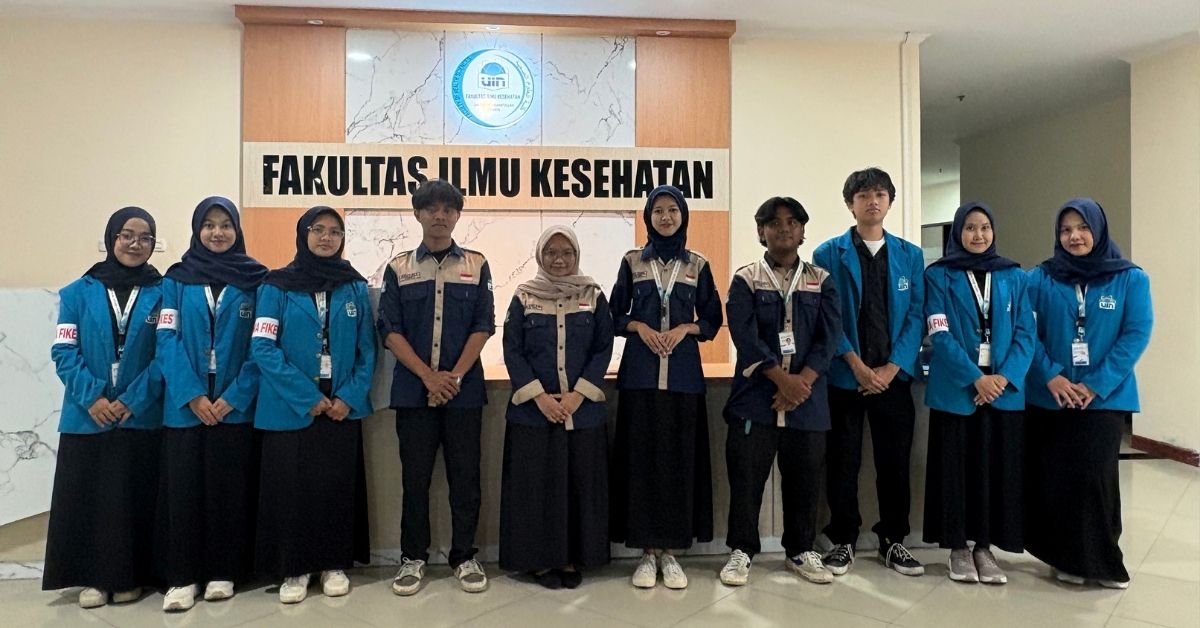
PBAK 2026 Evaluation: FIKES Student Senate Gathers Input from New Students
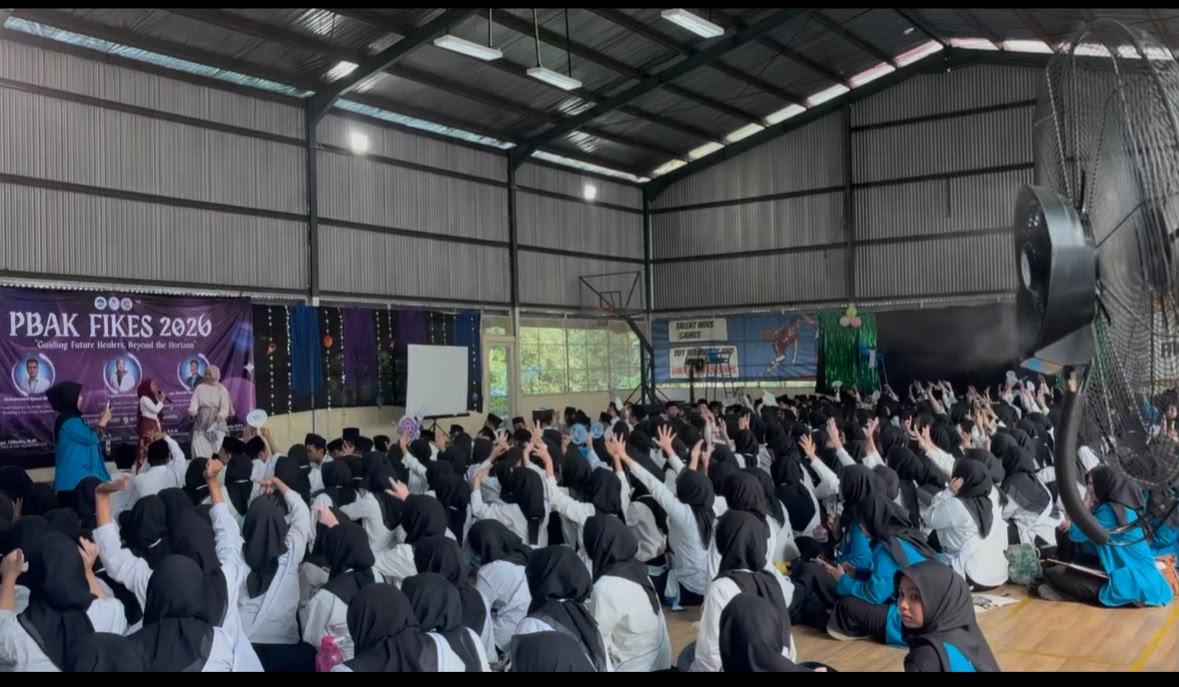
Ciputat, Berita FIKES Online – The Student Senate of the Faculty of Health Sciences (SEMA FIKES) at UIN Syarif Hidayatullah Jakarta conducted an evaluation of the 2026 Academic and Student Culture Introduction (PBAK) program as part of its oversight role regarding the event's organization. The evaluation was carried out through observation, monitoring, and surveys of new students following the conclusion of the PBAK series. Organized by the Student Executive Council of the Faculty of Health Sciences (DEMA FIKES), PBAK FIKES 2026 took place over two days—August 28 and 29, 2026—at the FKIK Sports Hall (SOR), with a total participation of 503 new students from the Faculty of Health Sciences. This year’s PBAK theme was "Guiding Future Healers, Beyond the Horizon." SEMA FIKES conducted this evaluation to ensure that all activities proceeded according to plan and to gather feedback from the new students. The results of this evaluation will serve as baseline data for reviewing and refining the implementation of PBAK in future years.
Survey results indicated a positive response from new students regarding the PBAK FIKES 2026 event. A total of 80.1% of students enjoyed the PBAK activities, while 92.9% appreciated the friendliness and willingness of the organizing committee to provide support throughout the event. Regarding ethical standards, 99.4% of respondents stated that they were not asked for money or goods beyond the officially established fees; this figure reflects transparency and adherence to all regulations during the event. The evaluation also assessed student impressions of various aspects of the event, including the atmosphere, the attitude of the committee, safety and comfort, and the integrity of the organization. Overall, the data indicates that students held a positive impression of the atmosphere and the support systems provided during PBAK.
Regarding their benefits, 96.7% of students stated that the PBAK assignments were beneficial or highly beneficial. "These assignments were very helpful in honing essay-writing skills and the ability to find references," remarked one student. The assignments were also considered useful for fostering time management, discipline, and a sense of responsibility among students. They provided new students with insight into the types of tasks they would encounter during their studies while serving as preparation for academic activities. Furthermore, the PBAK assignments offered students the opportunity to develop skills in information retrieval and processing. Evaluations of the PBAK implementation within the FIKES 2026 program reflected a positive assessment of the assignments' benefits. Study results indicate that the PBAK assignments were deemed valuable in helping new students prepare for the academic environment.
Regarding the mentoring aspect, the performance of the student mentors (KABIM) received positive feedback from new students. Overall, 65.3% of students rated the mentors' performance as excellent, while 23.1% rated it as good. Students greatly appreciated the assistance provided by the mentors throughout the PBAK event. Additionally, students had the opportunity to offer critical feedback, suggestions, and complaints. This feedback highlighted issues such as high temperatures, a stuffy atmosphere, and poor air circulation in the student activity building (SOR). Students also emphasized the need for more effective time management and for information regarding assignments to be communicated earlier and more consistently. Finally, students recommended increasing interactive activities, such as games, ice-breakers, and entertainment.
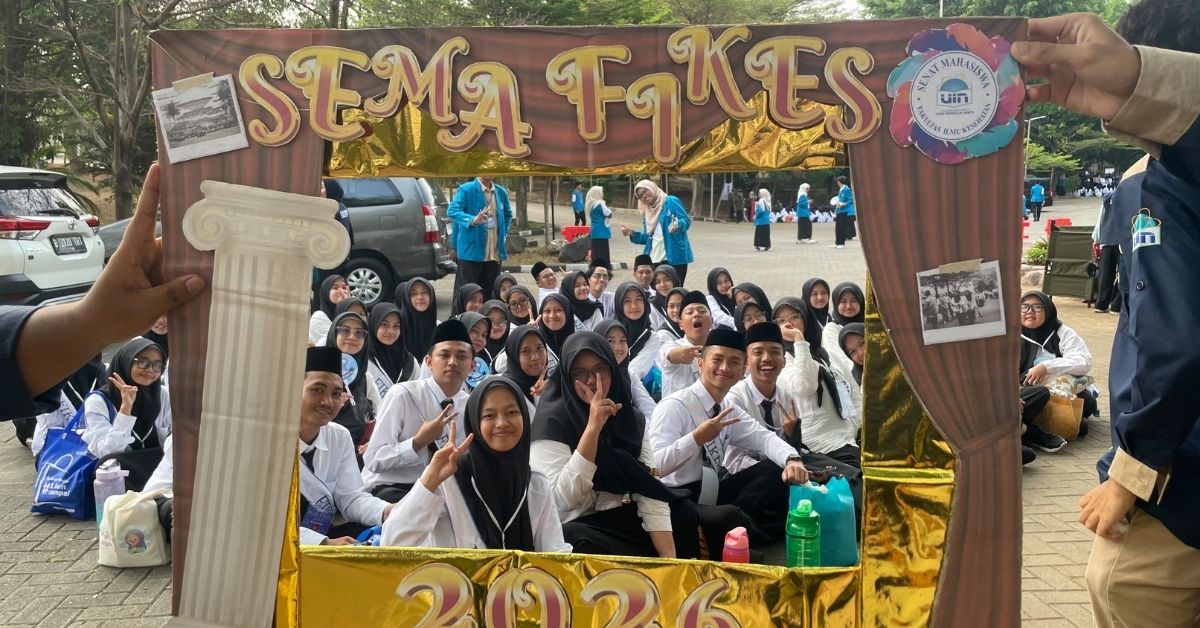
Based on the evaluation results, SEMA FIKES recommends retaining those aspects of future PBAK events that received positive feedback from students. Coordination between the organizing committee and stakeholders also needs to be improved to ensure the event is managed with greater clarity and systematic organization. New students require clear and consistent information provided well in advance. Furthermore, planning for future PBAK events must prioritize participant comfort—specifically regarding venue conditions, access to restrooms and clean water, ventilation, schedule adherence, and the provision of time for religious observance. These evaluation findings are intended to serve as a foundation for the committee and the faculty to jointly analyze and discuss the event. This process will help make future PBAK events safer, more comfortable, and more educational, while also better meeting the needs of new students. (PBAK 2026 Committee)