
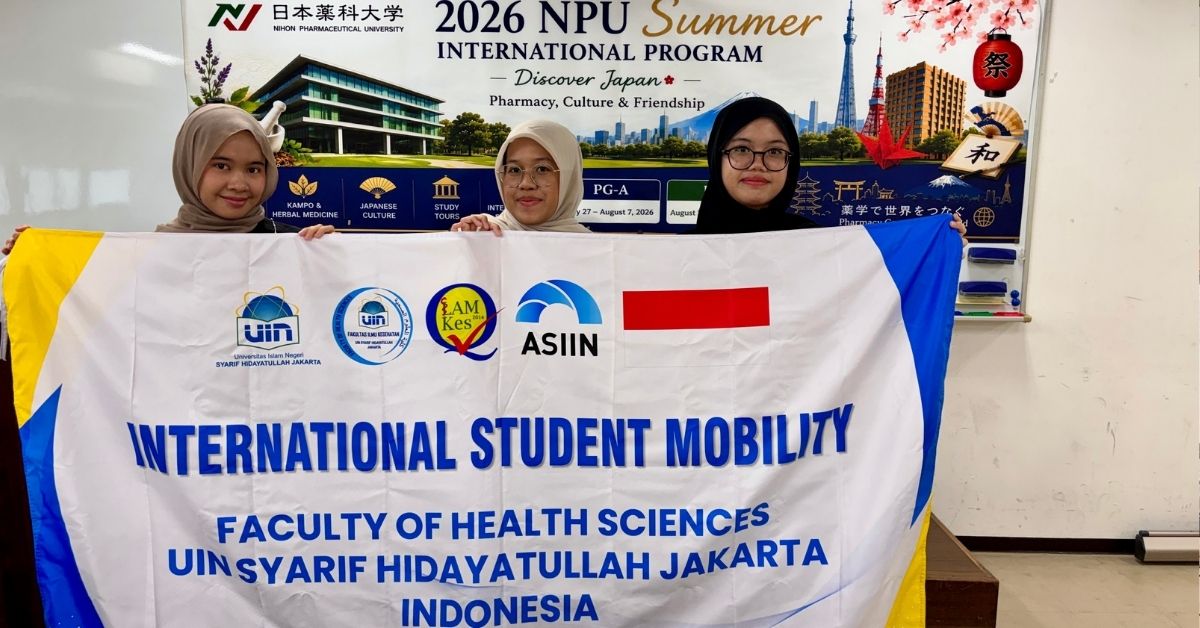
Pharmacy Students of UIN Jakarta Expand Global Perspectives Through Student Mobility Program in Japan
Tokyo, Japan, FIKES Online News – Pharmacy students from the Faculty of Health Sciences, UIN Syarif Hidayatullah Jakarta, participated in the 2026 NPU Summer International Program at Nihon Pharmaceutical University (NPU), Tokyo Campus, Japan, from August 18 to 28, 2026. The international student mobility program offered participants a valuable opportunity to enhance their academic knowledge in pharmaceutical sciences while immersing themselves in Japanese culture through a series of educational, cultural, and experiential activities.
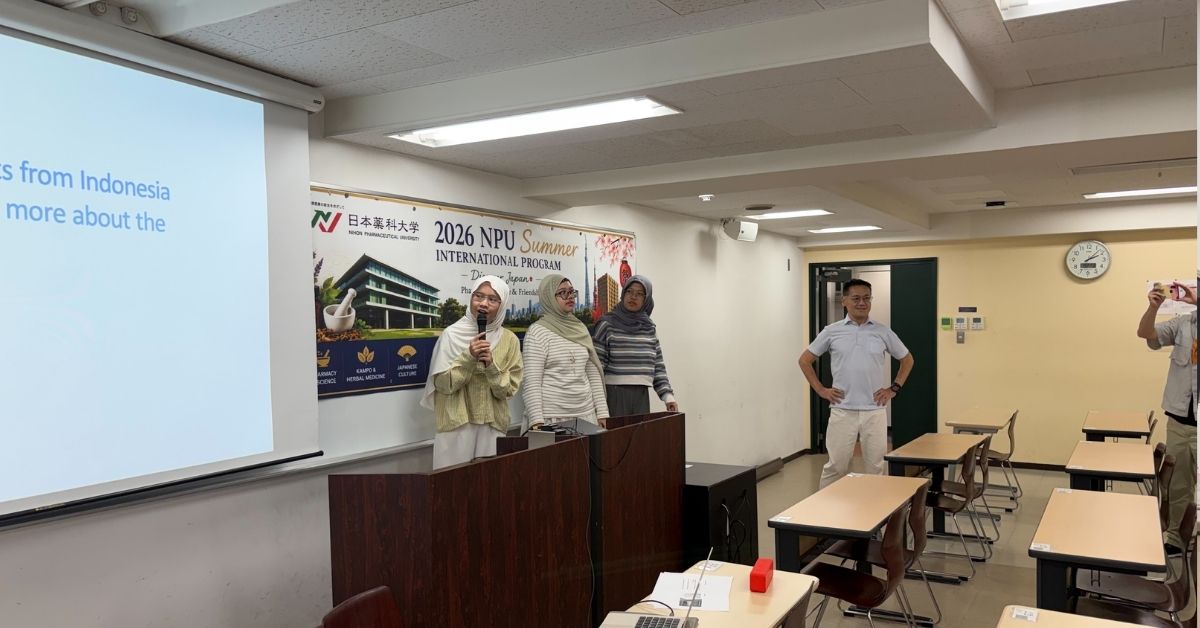
The program commenced with an introduction session involving students from UIN Jakarta, representatives of Nihon Pharmaceutical University, and participants from various international institutions. During the session, students introduced their home university, particularly the Faculty of Health Sciences and the Pharmacy Study Program, while sharing their academic backgrounds and personal experiences. The activity served as a platform to foster intercultural communication, build international networks, and strengthen academic collaboration among participants.
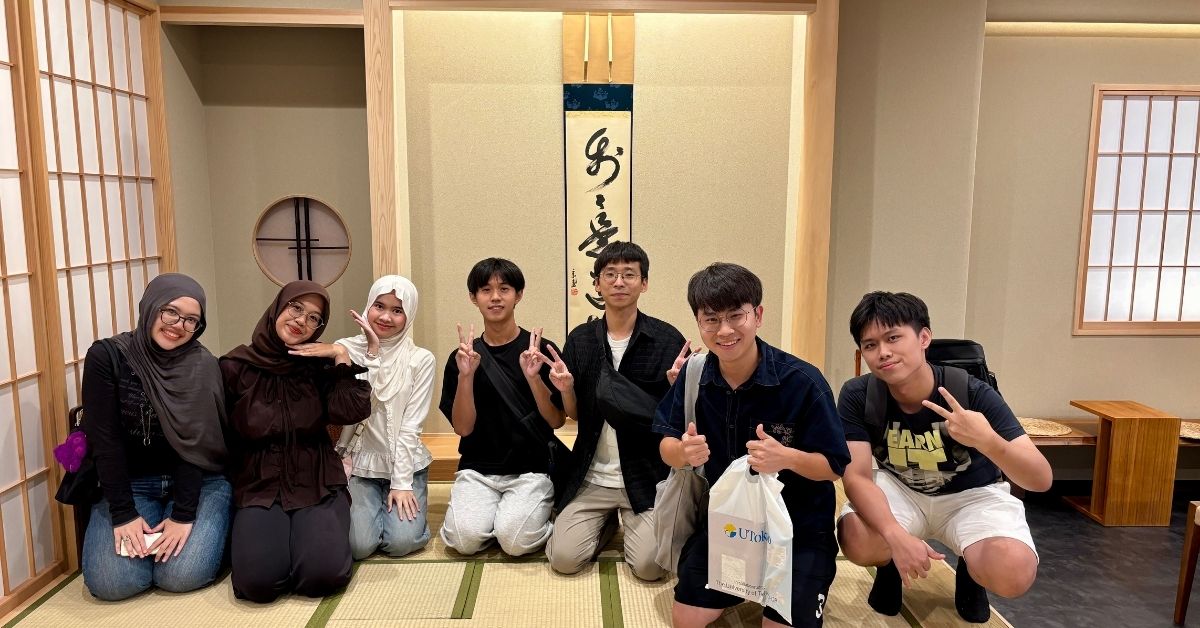
On the first day, Tuesday, August 18, participants attended a class on Japanese Traditional Culture: Origami and Kimono, which introduced them to various aspects of Japan’s rich cultural heritage. Students learned about the art of paper folding, the historical use of paper in Japanese society, and the cultural significance of kimono as Japan’s traditional attire. The session was followed by a lecture titled Disease Prevention and Treatment Based on Food-Derived Compounds, which explored current research on the use of food-derived bioactive compounds in disease prevention and treatment. These activities provided participants with valuable insights into the intersection of culture, nutrition, and healthcare.
The cultural experience continued on Wednesday, August 19, through a study tour to the Ocha (Tea) Culture Creation Museum. Participants gained a deeper understanding of the history and evolution of tea culture in Japan, from the introduction of tea to its transformation into an integral part of Japanese society. The program covered various types of Japanese tea, cultivation and processing methods, commercialization, and consumption practices. Through the museum’s Tea Theater, students explored the historical development of tea culture, viewed tea plantations, learned about tea production tools, and experienced recreations of Edo-period tea houses. The visit provided important perspectives on the cultural and historical significance of tea in Japan.
On Thursday, August 20, activities returned to the NPU Tokyo Campus with a Small Group Discussion on A Society with a Declining Birthrate and Aging Population. Participants exchanged views on the social challenges associated with demographic changes and aging societies. The discussion was followed by a lecture on Kampo Medicine in Modern Clinical Practice, introducing Japan’s traditional herbal medicine system and its integration into contemporary healthcare. Students learned about the historical development of Kampo Medicine, its role within the modern healthcare system, various dosage forms, and diagnostic methods, including observation, listening and smelling, patient interviews, pulse examination, and abdominal assessment.
On Friday, August 21, participants attended a lecture titled About Japanese Pharmaceuticals, which presented an overview of Japan’s pharmaceutical industry and its latest developments. The program continued with Japanese Lifestyle and Culture, where students explored the daily lives, customs, and cultural values of Japanese society. Participants from Indonesia and Taiwan were also invited to share presentations about their respective cultures, providing an excellent opportunity for UIN Jakarta students to introduce Indonesian traditions, lifestyle, and social values to an international audience.
The second week of the program began on Monday, August 24, with a lecture on Integrative Medicine and Pharmacy in Japan. The session focused on the integration of conventional medicine with complementary and traditional approaches, including Kampo Medicine, herbal supplements, dietary therapy, aromatherapy, yoga, manual therapies, and art therapy. Participants also discussed the benefits and limitations of integrative healthcare practices. Later, students joined a Calligraphy Workshop: Hiragana and Katakana, where they learned the fundamentals of Japanese writing systems while experiencing one of Japan’s most respected traditional arts.
On Tuesday, August 25, participants visited Nihon Pharmaceutical University’s Saitama Campus. During the tour, students explored academic facilities, including laboratories, classrooms, and libraries. They also visited the university’s herbal museum, which houses a wide range of medicinal plants, herbal processing equipment, and historic pharmaceutical references such as the Japanese Pharmacopoeia and Materia Medica. An interactive session allowed participants to identify the aromas of various herbs, learn about their chemical constituents, and create personalized aromatherapy products.
Academic activities resumed on Wednesday, August 26, with a lecture on Prospective and Retrospective Studies, providing participants with a comprehensive understanding of two commonly used research methodologies in health sciences. The session was followed by Japanese Dietary Therapy, which explored dietary approaches used in Japan to promote health and prevent disease.
On Thursday, August 27, students participated in a study tour to the Museum of Health and Medicine and the University of Tokyo. The visit provided valuable insights into the history and advancement of medical and health sciences in Japan while offering participants the opportunity to experience one of the country’s leading academic environments firsthand.
The program concluded on Friday, August 28, with a lecture titled Policies and Strategies for Traditional Medicine in Asian Countries and Japan. Participants explored policy frameworks and development strategies for traditional medicine across Asia, including Japan, China, India, and Indonesia. The session also highlighted Indonesia’s rich heritage of traditional medicine, including Jamu, standardized herbal medicines, and phytopharmaceutical products.
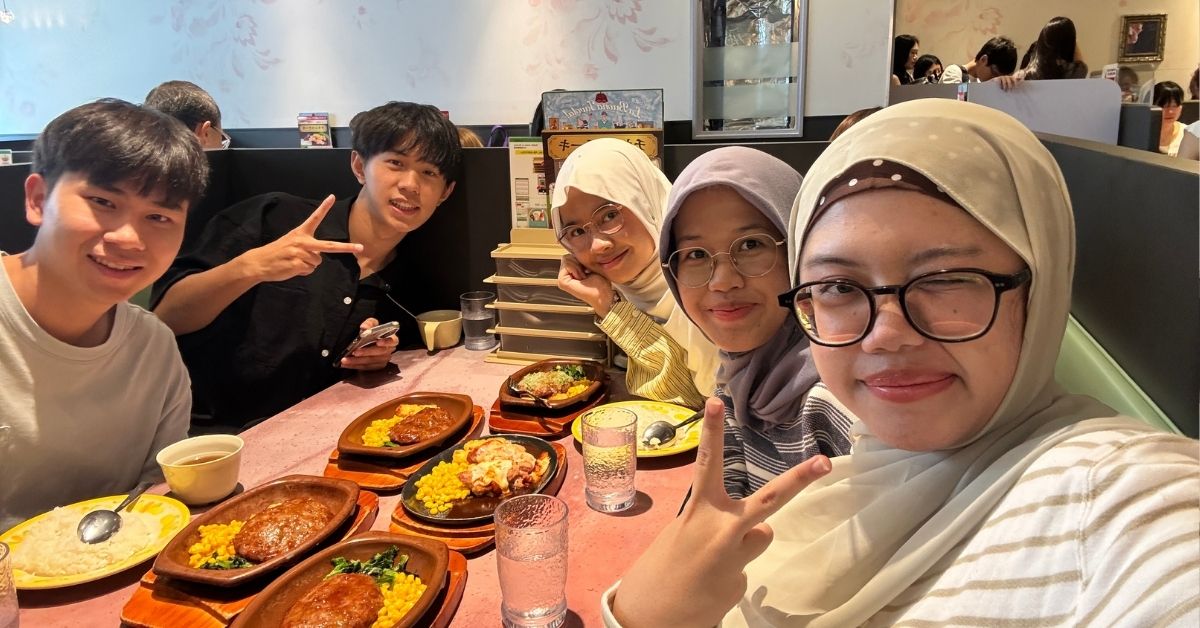
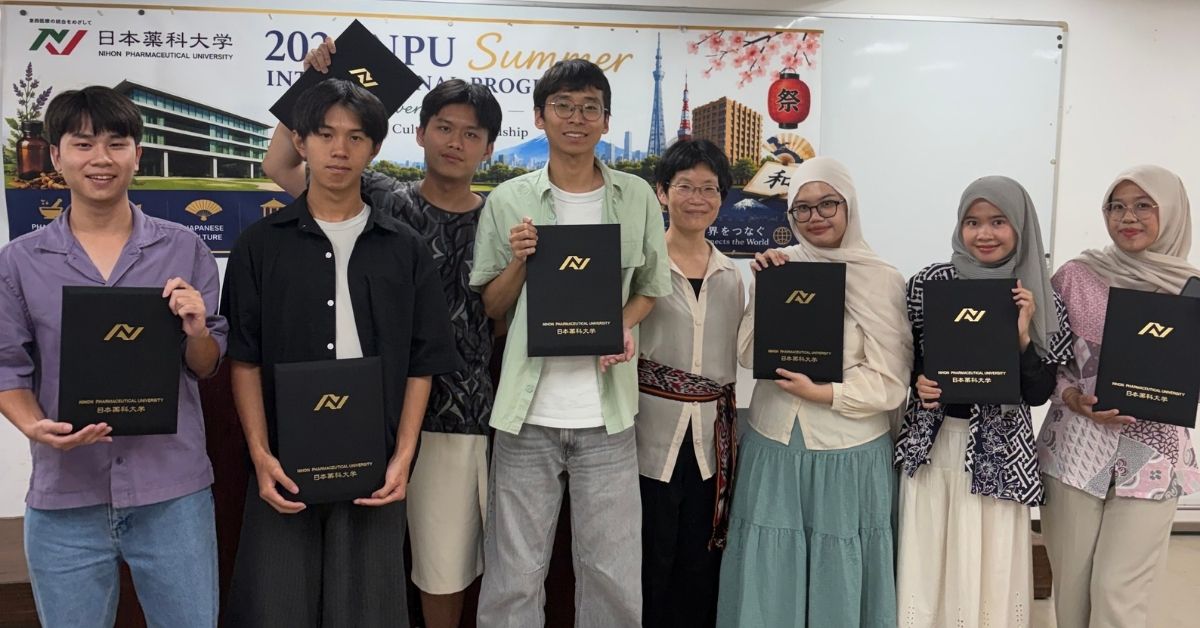
Following the final lecture, participants attended the Closing Ceremony, marking the official conclusion of the 2026 NPU Summer International Program. Students received certificates of participation, exchanged experiences with fellow participants, and celebrated the successful completion of the program through networking and group photographs.
Overall, the 2026 NPU Summer International Program provided UIN Syarif Hidayatullah Jakarta pharmacy students with a transformative international learning experience. Beyond strengthening their academic understanding of pharmaceutical sciences, healthcare systems, traditional medicine, nutrition, and research methodologies, the program also enriched their intercultural competencies and global perspectives. The experience is expected to contribute significantly to the students’ professional development as future healthcare practitioners in an increasingly interconnected world. (ZR)