
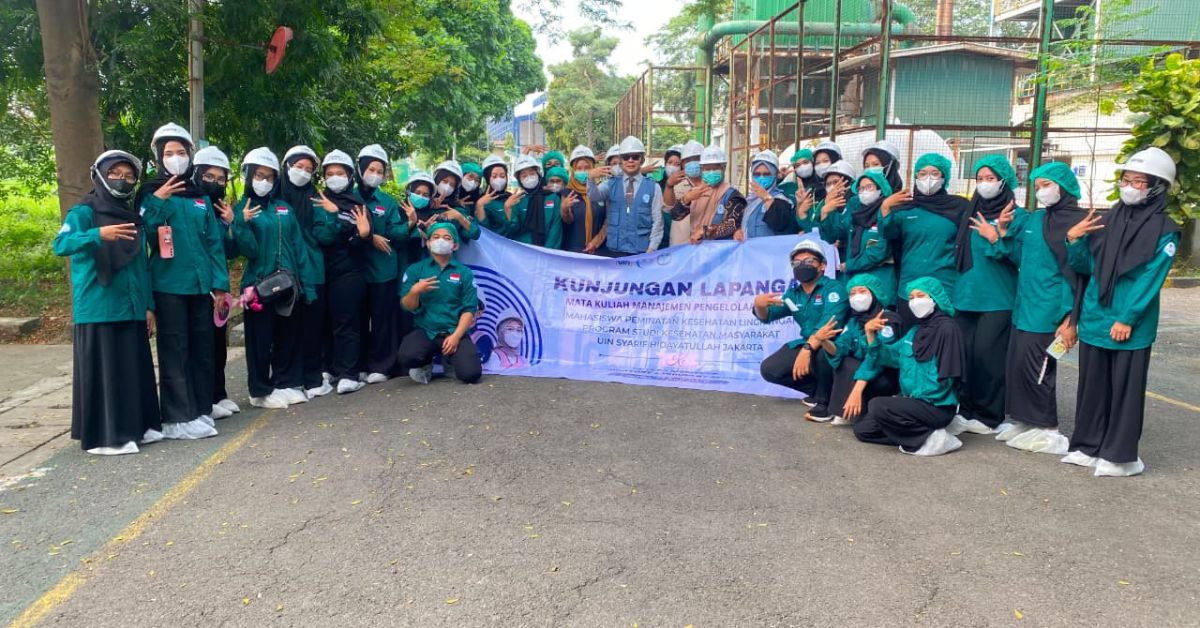
The field visit was designed to provide students with hands-on learning experiences by exposing them directly to real-world industrial operations. Through this activity, participants were able to bridge the gap between theoretical knowledge acquired in the classroom and its practical implementation in professional settings.
The program began with participant registration, followed by opening remarks from Prof. Dr. H. Arif Sumantri, SKM., M.Kes, the faculty member responsible for the activity. In his speech, he emphasized the importance of field visits as an effective learning approach that enables students to gain firsthand insight into the application of environmental health principles in industry.
“Field visits provide valuable opportunities for students to understand how theories learned in the classroom are applied in real industrial environments and to gain practical perspectives on future professional challenges,” he stated.
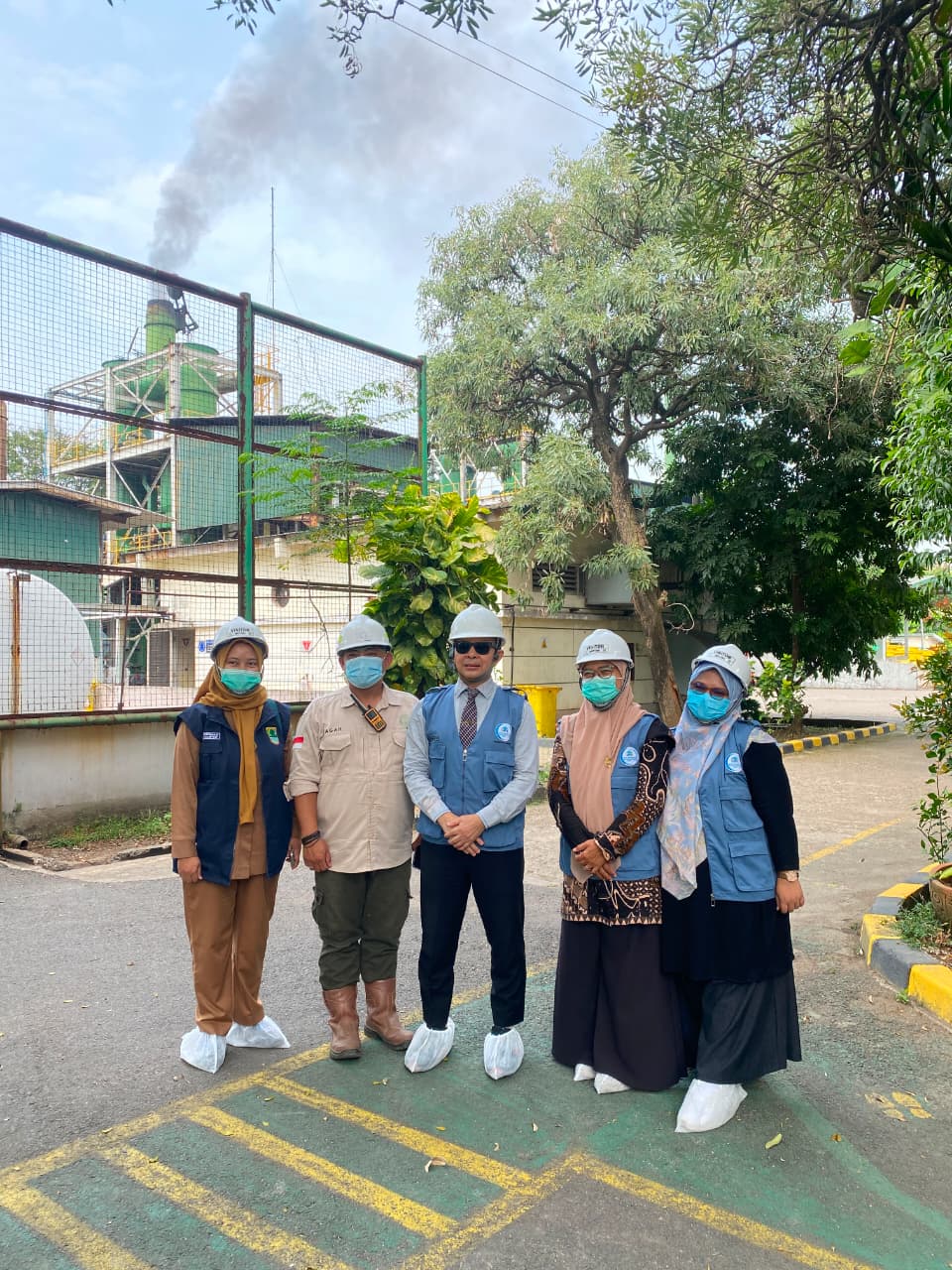
The opening session continued with a welcome address from Agah, Health, Safety, and Environment (HSE) Manager at PT Jasa Medivest Laboratory & Industry Services. During his presentation, he introduced the company’s profile and highlighted its role in hazardous waste management and environmental protection efforts.
He explained that proper hazardous waste management is essential for minimizing risks to human health and the environment. He also stressed the importance of implementing strict operational standards and comprehensive occupational safety measures to ensure the safety of both workers and surrounding communities.
Following the opening ceremony, students attended an in-depth presentation on the company’s hazardous waste management operations. The session covered various stages of waste management, including waste reception, temporary storage, treatment processes, and final disposal procedures, all of which comply with applicable environmental regulations and industry standards.
In addition, students gained valuable insights into the monitoring systems, risk control measures, and operational protocols implemented by the company to ensure safe, efficient, and environmentally responsible waste management practices. The presentation also highlighted the critical integration of environmental health, workplace safety, and sustainable environmental management within industrial operations.
The learning session became increasingly interactive through a question-and-answer discussion, during which students enthusiastically engaged with the speakers. Various topics were explored, including waste treatment technologies, occupational safety procedures, regulatory compliance, and challenges faced by industries in maintaining environmental quality.
The activity then continued with a guided tour of the hazardous waste treatment facilities. During the field observation session, students had the opportunity to directly observe the infrastructure and operational processes used in managing hazardous waste.
Company representatives provided detailed explanations regarding the functions of each facility, standard operating procedures, and the various risk mitigation measures implemented to protect workers and the surrounding environment. Students also learned about the use of personal protective equipment (PPE), emergency response systems, and environmental monitoring practices employed by the company.
After the site visit, participants took a break for prayer and lunch. The program resumed with a follow-up discussion session focusing on observations and findings gathered during the field tour.
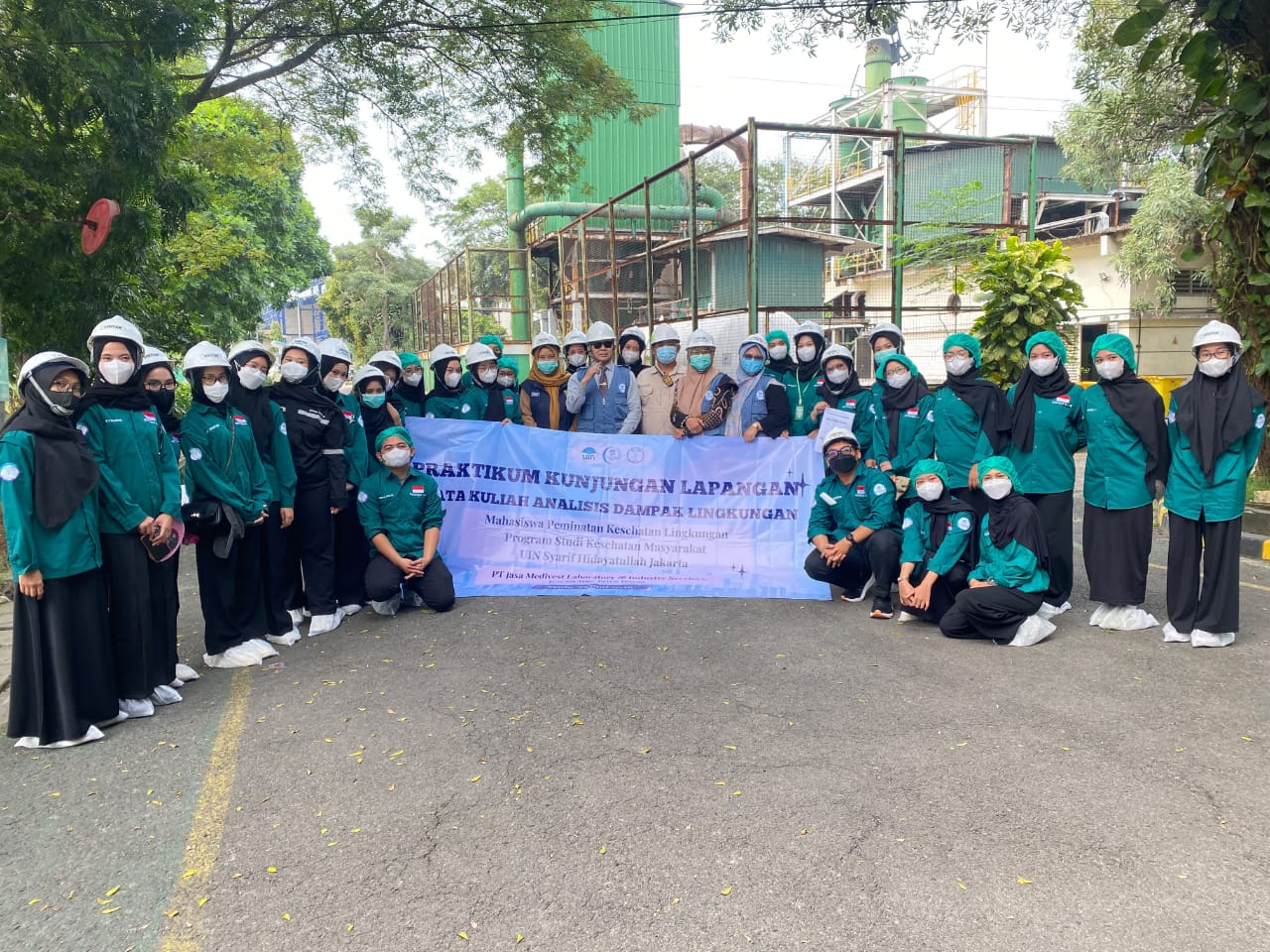
Students demonstrated high levels of enthusiasm by actively presenting their observations, sharing perspectives, and discussing the effectiveness of waste management and environmental control measures with company representatives and faculty supervisors. This reflective session served as an important opportunity to strengthen students’ understanding of concepts introduced during the visit.
In the subsequent session, students formally presented the results of their field observations. Their findings were discussed collaboratively with industry professionals and academic supervisors to reinforce their understanding of hazardous waste management systems, occupational safety practices, and environmental protection strategies in industrial settings.
Toward the end of the program, representatives from PT Jasa Medivest Laboratory & Industry Services and Prof. Dr. H. Arif Sumantri delivered their closing remarks. Both parties highlighted the importance of collaboration between higher education institutions and industry partners in developing competent, professional, and environmentally conscious future professionals.
They expressed hope that similar field visits would continue to be organized as part of efforts to enhance the quality of education and better prepare students for future careers in environmental health and related fields.
The event concluded with a joint prayer and a documentation session. Through this field visit, students were expected to integrate their theoretical knowledge with practical experience, thereby strengthening their competencies as future environmental health professionals who are committed to protecting public health, promoting workplace safety, and preserving environmental sustainability. (NF/ZR)