
UIN Jakarta Epidemiology Students Strengthen Competencies in Surveillance and Early Warning through a Visit to BBKK Tanjung Priok
Jakarta, Berita FIKES Online – A group of 26 students from the Epidemiology specialization—part of the 2024 cohort of the Public Health Study Program at the Faculty of Health Sciences (FIKES), UIN Syarif Hidayatullah Jakarta—conducted a field visit to the Tanjung Priok Health Quarantine Center (BBKK) in North Jakarta on Friday, October 23, 2026. The group was accompanied by two lecturers and led by Dr. Minsarnawati, SKM, M.Kes., the lecturer in charge of the "Early Warning System for Disease Outbreaks" (Sistem Kewaspadaan Dini Kejadian Luar Biasa/KLB) course. The visit took place from 08:00 to 12:00 WIB, with the primary activities held in the Onrus Meeting Room on the 4th floor.
This visit was an integral part of the curriculum for the Early Warning System for Disease Outbreaks course. Through presentations and practical observations, students were able to connect concepts of epidemiological surveillance, health quarantine, and responses to potential health threats with their actual application at the nation’s points of entry.
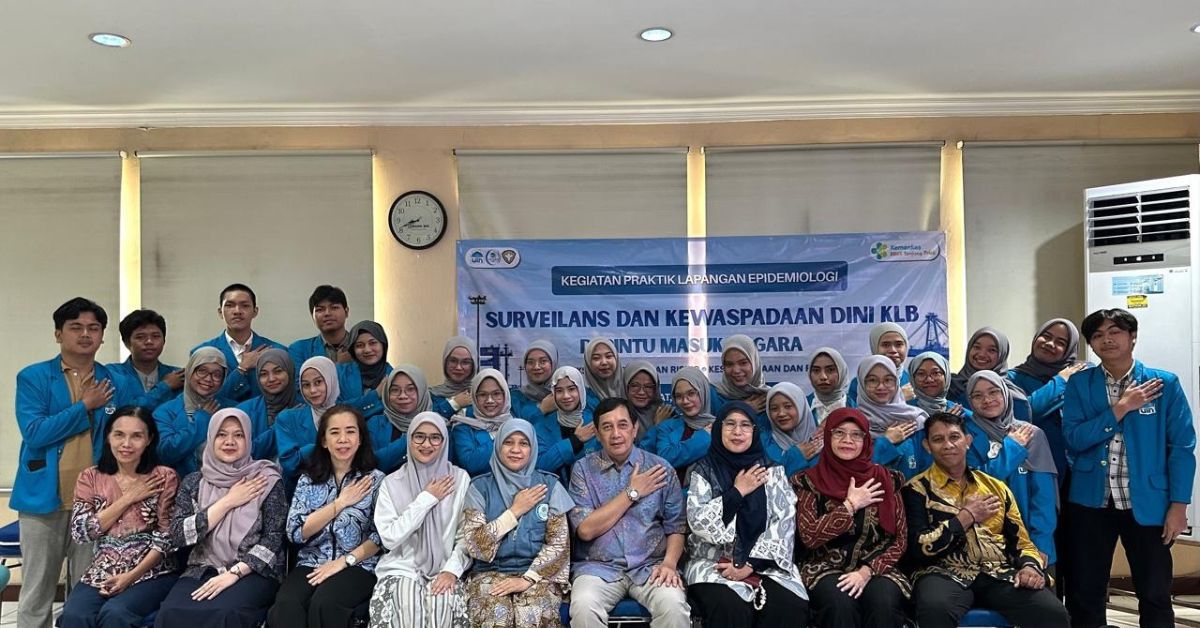
Students from the Epidemiology specialization at FIKES UIN Jakarta participate in a field visit to the Tanjung Priok Health Quarantine Center (BBKK).
Program Agenda and Speakers
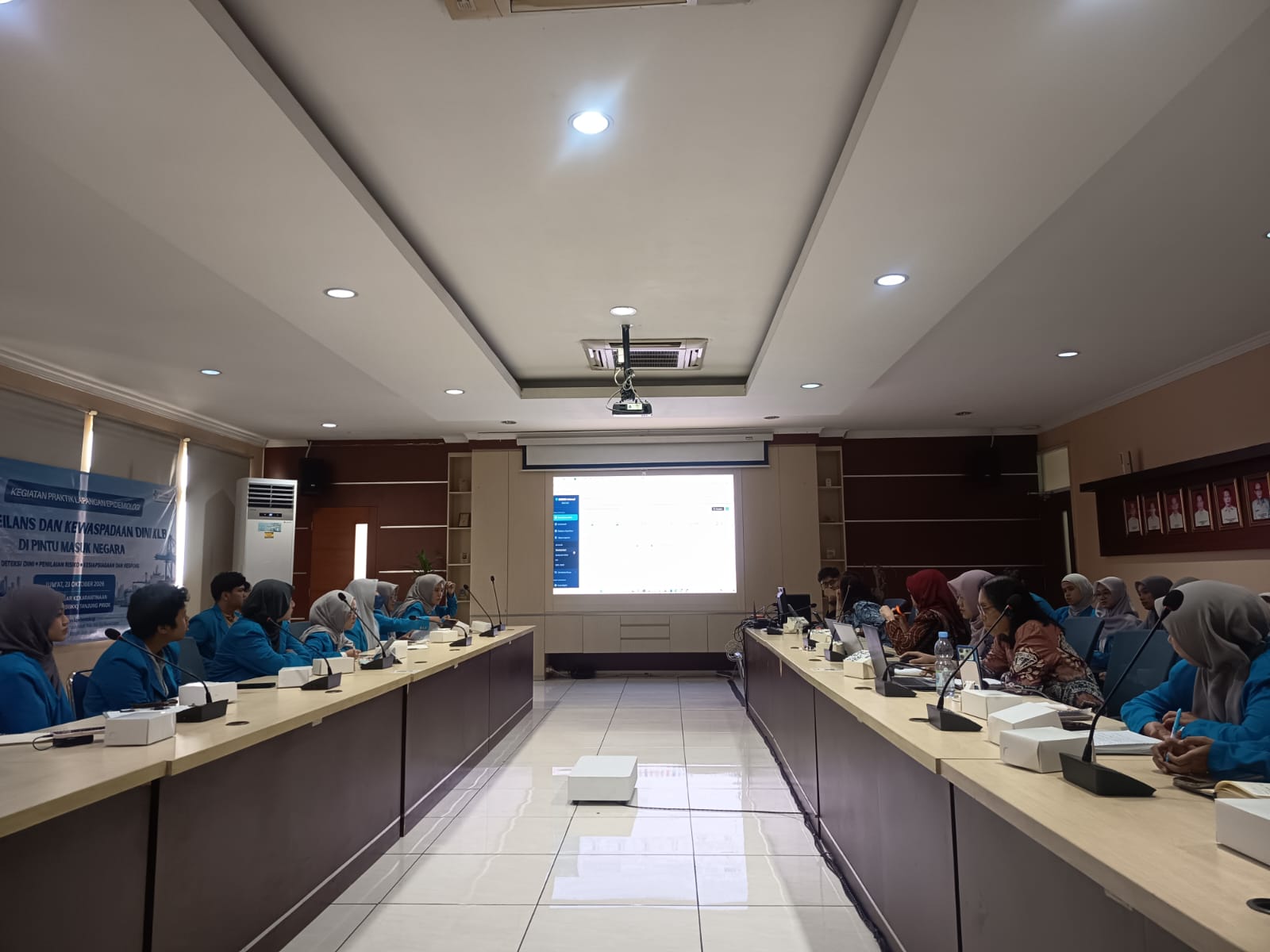
According to the schedule provided by the Tanjung Priok Health Quarantine Center (BBKK), the visit began with an opening session, remarks from a UIN Jakarta representative, and an introduction to the institution. The agenda continued with four core presentations, followed by an integrated case study discussion and a Q&A session.
Introduction to the Role of BBKK
The introductory session on BBKK, led by Fifi Nur A., SKM, M.Epid., provided an overview of the institution’s function in preventing the entry and exit of diseases and health risk factors through seaports. This mandate encompasses the surveillance of individuals, transport vessels, goods, and the environment, based on health risk assessments.
Module 1 • Early Warning and Response System (SKDR)
In this module, Teti Herawati, SKM, emphasized the importance of the early detection of health threats and the mechanisms for subsequent action. Students explored both indicator-based surveillance (IBS) and event-based surveillance (EBS) to support signal verification, risk assessment, reporting, and the operational readiness of the Rapid Response Team (TGC).
In-depth Study of Epidemiology at National Points of Entry
Module 2 • Implementation of Health Quarantine
In a session led by Fredrik Lona D., SKM, the focus was on the implementation of health quarantine at national points of entry. Students gained an understanding of the verification of health documents for transport vessels, the monitoring of the health status of crew and passengers, the inspection of environmental risk factors, and the determination of follow-up actions based on risk assessment results.
Module 3 • Epidemiological Surveillance at National Points of Entry
This module, presented by Siti Nurani, SKM, covered the collection, processing, and utilization of health information to identify risks and potential disease outbreaks at seaports. Sources of information discussed included the Maritime Declaration of Health (MDH), reports on the health status of crew members, arrival inspections, and the observation of sanitation-related risk factors. The data is analyzed by person, place, and time to serve as a foundation for early detection and public health decision-making.
Module 4 • Outbreak Investigation and Health Response
In a session with Rustama, SKM, students studied the principles of epidemiological investigation to be applied in the event of a suspected infectious disease outbreak on board a vessel. The discussion covered case definition and classification, eliciting the history of symptoms and the progression of the condition, contact tracing, analysis of potential transmission, and the coordination of response efforts with quarantine officials and healthcare facilities as required.
These four topics illustrate the interconnectedness of epidemiological surveillance, risk assessment, inter-agency coordination, and the implementation of response measures. The series of activities concluded with an integrated case discussion and a Q&A session, designed to deepen the understanding of how these concepts are applied at national points of entry.
Practical Experience: Participating in a Vessel Inspection
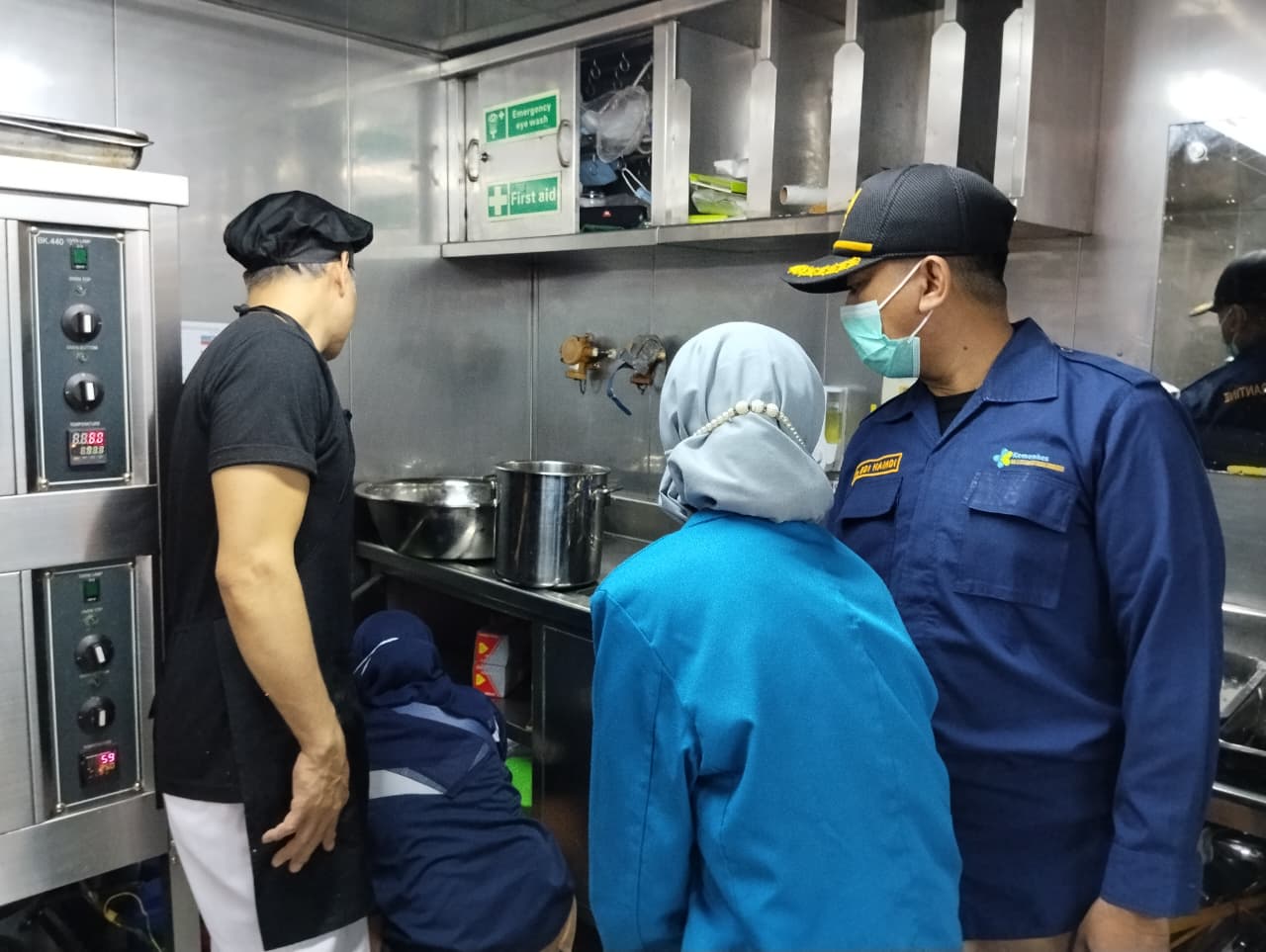
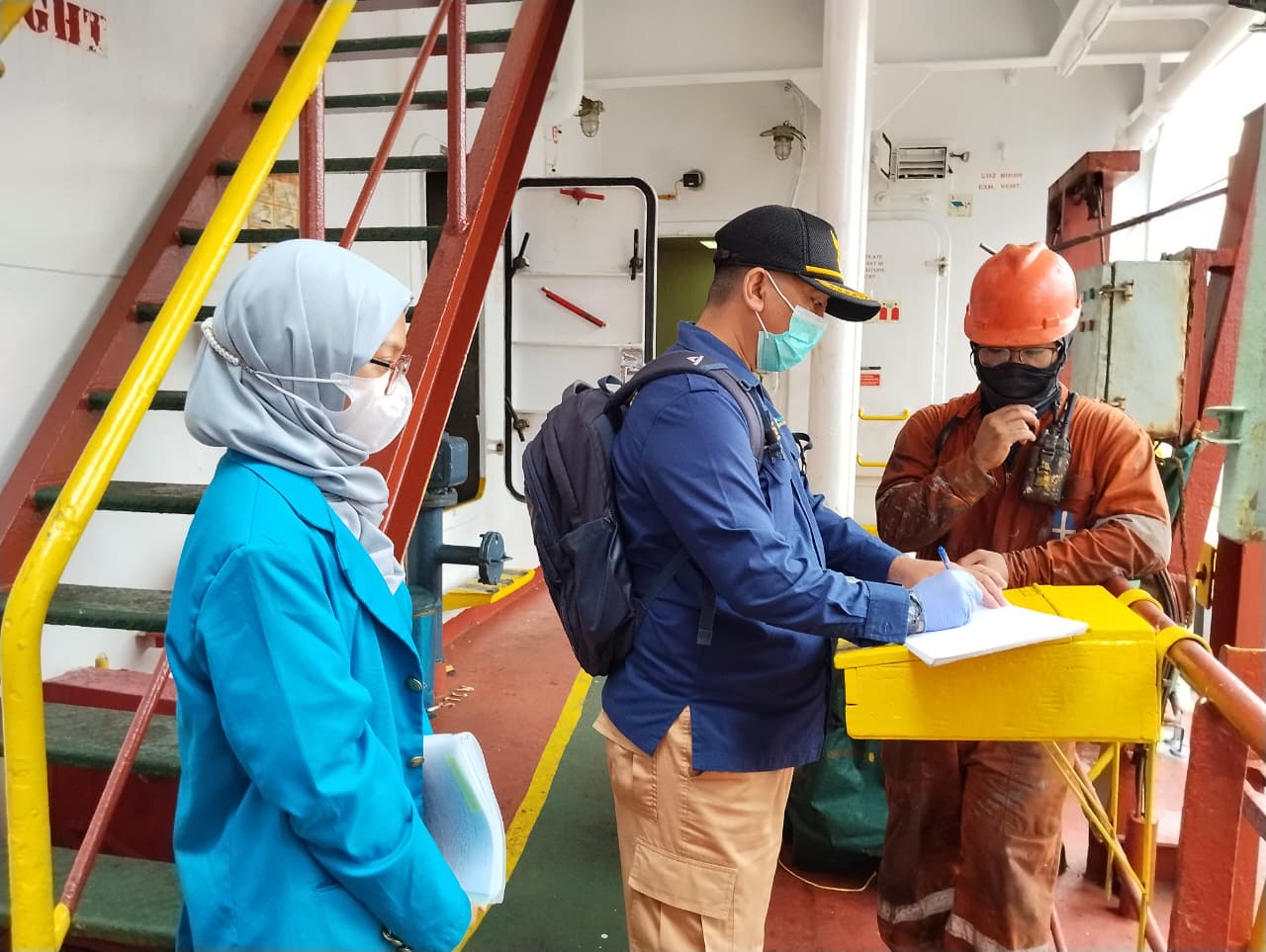
In addition to classroom-based sessions, the field component offered students the opportunity to join quarantine officials from the port health authority in conducting a vessel inspection. Nadia Putri Chairani, one of the participating students, observed the inspection of the vessel *MV San Pedro* as part of her practical training in applied epidemiology.
The field observation included an assessment of hygiene and sanitation conditions in various areas of the ship, such as the galley (pantry), dry storage, cold storage, and the ship’s medical facility (hospital room). The students observed how officials evaluated the state of the facilities, the cleanliness of food storage areas, the quality of food supplies, and the availability of healthcare resources. Random body temperature checks were also conducted as part of the health assessment, as noted in the activity documentation.
During this process, the students also received insights into the coordination of vessel arrivals with relevant authorities, the execution of health inspections, and the decision-making process based on the health status of the crew and identified risk factors. This practical experience demonstrated that health quarantine operations require meticulous observation, effective inter-agency communication, and follow-up actions that are proportionate to the level of risk.
Connecting Theory with Field Practice
The visit to BBKK Tanjung Priok provided a contextual learning experience regarding the implementation of surveillance, early outbreak alerts, epidemiological investigations and health quarantine. Students also recognize operational challenges, including weather conditions, the need for coordination between parties, and cross-language communication in the port environment.
This learning is expected to strengthen students' readiness as prospective public health workers who are able to identify health threats, assess risks, and support health prevention and response efforts at country entry points. (MW)